
Buying property in Greece
A considered approach to living and investing in Greece
Buying property in Greece
The process of buying property in Greece requires more than simply finding the right location.
It requires local insight, careful timing and a structured approach.
With the right guidance on location, the process becomes clear, structured and manageable.
Why Greece
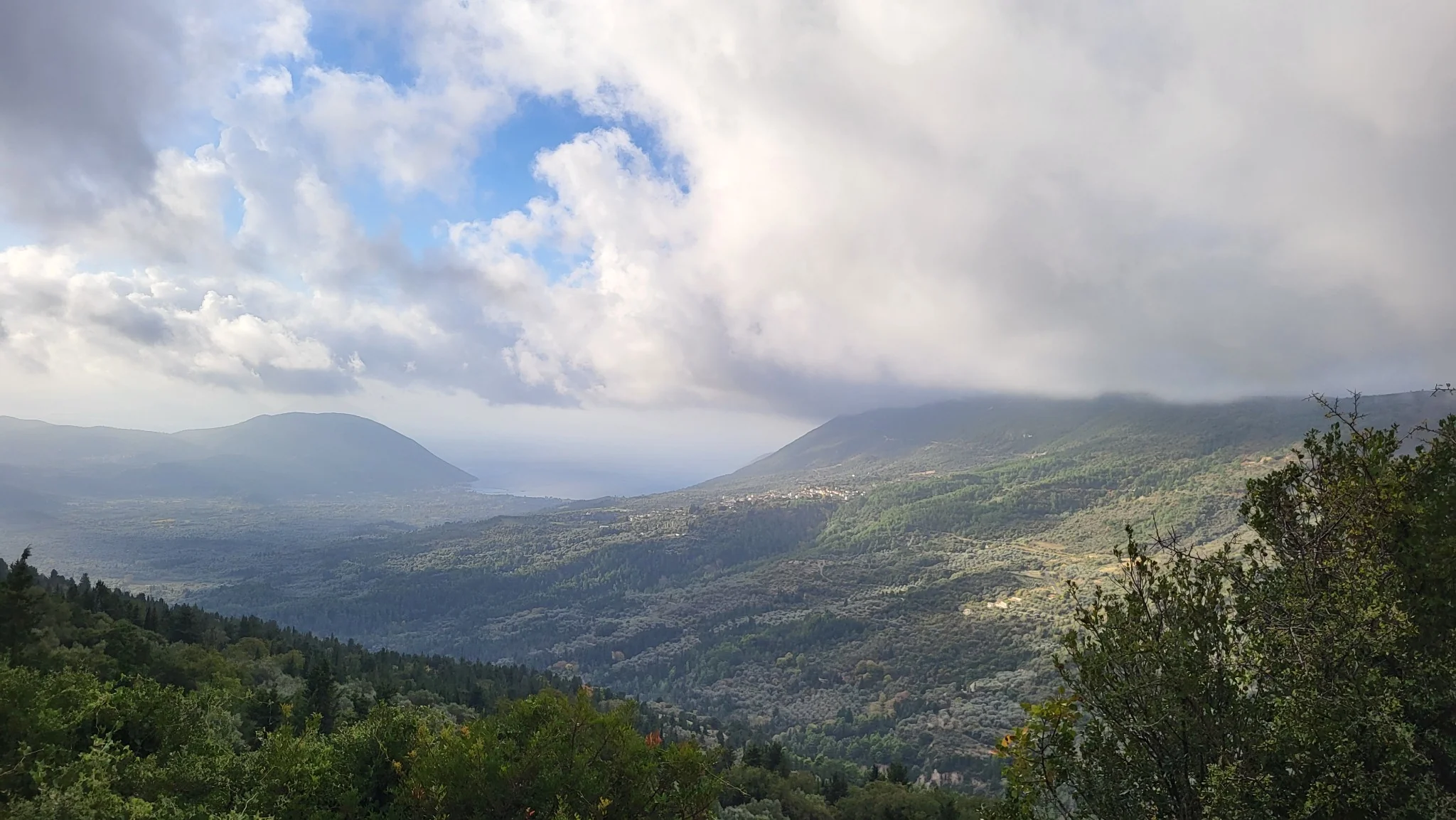
Greece continues to attract international buyers for its climate, accessibility and diverse landscape.

Types of property in Greece
In Greece, there are various options depending on your preferences.
From private villas with views and privacy to apartments and studios close to amenities and the coast.
For those seeking more freedom, building plots offer the opportunity to create a home tailored to your wishes.
In addition, there are small-scale new developments that can be suitable for personal use, rental or a combination of both.
Key considerations when buying
Buying property in Greece requires a careful approach.
This includes aspects such as ownership, permits, building possibilities and access to the plot.
Essential information is not always fully or immediately available, making thorough due diligence necessary before making a decision.
We guide this process and ensure that you gain insight into both the opportunities and the actual situation.
The purchase process
The purchase process follows a number of clear and structured steps.
Orientation
Selecting a property that fits your needs and intended use.
Due diligence
Verification of documentation, ownership and building rights.
Agreement
Formalising the agreement between buyer and seller.
Transfer
Finalisation at the notary, including registrations and tax formalities.
Costs and taxes
In addition to the purchase price, additional costs apply when buying property in Greece.
These include transfer tax, notary fees and legal guidance.
In practice, these costs are typically around 7% to 10% of the purchase price, depending on the type of property and the specific situation.
The transfer tax is 3.09% and is generally paid by the buyer.
By having a clear understanding of these costs in advance, surprises during the process can be avoided.
The value of property is not only in the location, but in the decisions you make
Use and rental
A property in Greece can be used in different ways, depending on your preferences.
For personal use, longer stays, or a combination with rental during certain periods.
In popular regions, there is demand for well-positioned properties, offering opportunities for rental and potential return.
At the same time, this requires proper setup, registration and a clear approach.
We provide guidance on what is realistic, depending on the property and its location.
Considering buying property in Greece?
We would be pleased to guide you through the possibilities and help you make the right decisions for your situation.
Frequently asked questions
Below you will find answers to some of the most common questions when buying property in Greece.
Can I buy property in Greece as a foreigner?
Yes, as an EU citizen you can purchase property in Greece without restrictions. The process differs from other countries, which makes local guidance important.
Do I need a Greek tax number?
Yes, a Greek tax number (AFM) is required when purchasing property. This number is needed for the registration of the property and all fiscal procedures related to the purchase.
Do I need a lawyer when buying property in Greece?
A notary is required for the transfer, but in practice having your own lawyer is essential. A lawyer verifies ownership, permits and legal aspects before proceeding with the purchase.
.
How do I know if a property is legally and structurally in order?
This is verified during the due diligence phase, where ownership, permits, building plans and registrations are carefully checked.
This prevents issues afterwards and provides clarity on what you are actually buying and what the possibilities are.
What are the additional costs when buying property in Greece?
In addition to the purchase price, additional costs should be taken into account, such as transfer tax, notary fees and legal guidance.
In practice, these costs are typically around 7% to 10% of the purchase price, depending on the type of property and the specific situation.
Can I get a mortgage in Greece?
Financing is possible, but often limited to part of the property value.
In practice, many buyers finance a significant part of the purchase with their own funds.
Banks apply stricter conditions for foreign buyers, which means financing is not always straightforward.
Can I rent out my property in Greece?
Yes, rental is permitted in Greece, provided it is set up correctly.
Registration is required and local regulations and tax obligations must be followed.
Depending on the location and type of property, rental can offer interesting opportunities.
How is property in Greece taxed in my home country?
Property in Greece is taxed in Greece.
Due to tax treaties, double taxation is generally avoided.
The property must still be declared in your home country.
What is the Golden Visa in Greece and who is it for?
The Golden Visa is a residence permit for non-EU citizens who invest in property in Greece.
For international buyers, this can be a route to residency in Greece and access to the Schengen area.
For EU citizens, this is not required, as they are free to live and purchase property in Greece.
A carefully guided process, from first orientation to final transfer.
Considering buying or investing in Greece?
We would be pleased to get acquainted and explore your situation and possibilities.
Voss Makelaardij
+31 6 43216602
vossagnes2@gmail.com
KVK 83808361
Terms, disclaimer and privacy →



© 2025 Voss Makelaardij